CoSET Learn
External Learning Platform
Start the course on LEARN.CoSET.org
Registration, videos, and course progress are hosted on a separate website.
Go to LEARN.CoSET.orgOpens in a new tab
Featured Course
A Risk Framework for Interpreting in the Age of AI: What You Need to Know Now
CEU details below.
See what Eileen Forestal of the Conference of Interpreter Trainers (CIT) said about this workshop:
This course introduces a foundational document ready to be used for strengthening communication access and interpreting services for language communities throughout the U.S. and potentially beyond.
The purpose of this Toolkit document is two-fold:
- It provides concrete tools you can use right now for people whose job is to fill appointments with the right kind of language access.
- It establishes a risk framework everyone can understand that accounts for the three dimensions of interaction where harm can arise from translation errors.
This is an on-demand course, which means you take it at your own pace (within a reasonable time period). You can take it with or without CEUs. The video content of this course comes from a live presentation given to faculty of the Department of ESL, ASL, and Linguistics at Long Beach Community College (CA), and is used with permission.
To register, go to https://www.zeffy.com/en-US/ticketing/a-risk-framework.
Available in ASL, Spanish, and English.
Continuing Education Units (CEUs or Professional Development)
- On demand through CoSET's Moodle platform: learn.coset.org (instructions are provided after registration and payment)
0.2CEUs processed by Vancro
Language translations created automatically by artificial intelligence (AI) are showing up in multilingual communication. What do you need to know to decide if an AI app is doing everything a human interpreter does?
This workshop introduces the AI Interpreting Solutions Evaluation Toolkit, co-developed by the Coalition for Sign Language Equity in Technology (CoSET) and the Interpreting SAFE AI Task Force. This Toolkit is built around a risk framework for recognizing risk factors that influence the communication process. If those factors are ignored, they can lead to harmful outcomes for primary communicators: Deaf, Hearing, and between spoken languages as well.
These risks can be assessed with the Toolkit's comprehensive checklists, covering the three dimensions of technical design/specifications, primary communicator profiles, and typical interaction characteristics (casual, work, education, healthcare, services, and more). This workshop also introduces all five checklists, highlights key technical specifications, and reviews relevant legal considerations.
Presenters
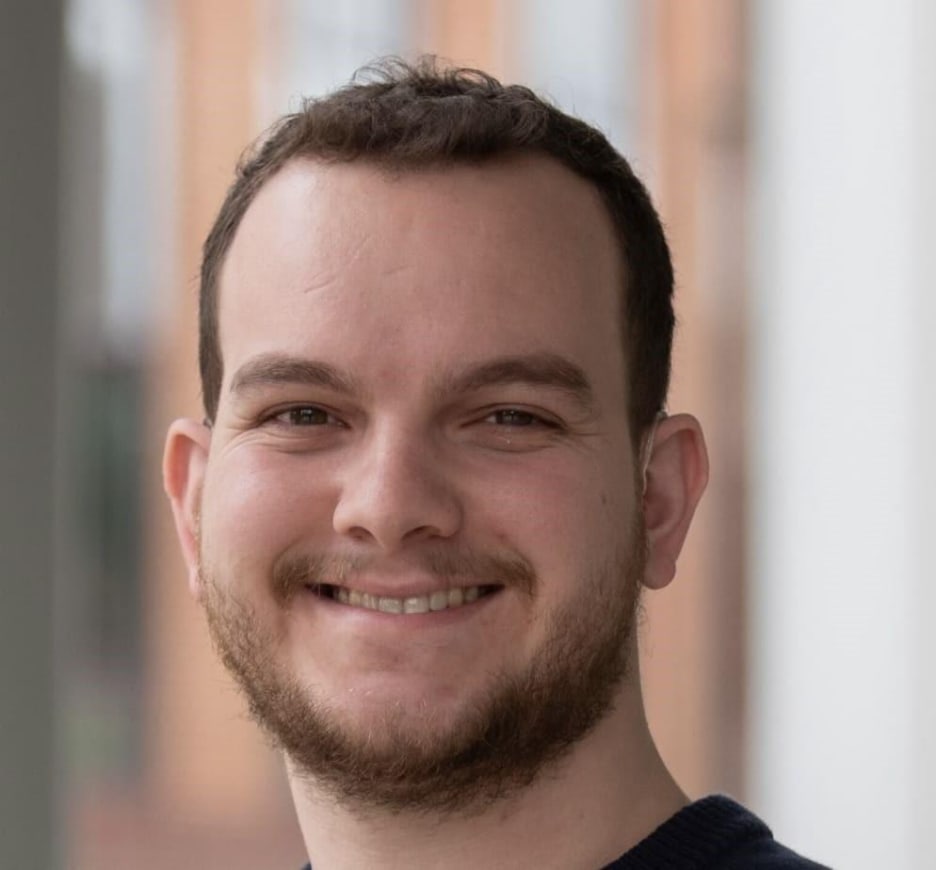
Dr. Abraham Glasser, PPP (CoSET), Toolkit Co-Author
Dr. Abraham Glasser is a faculty member in the Accessible Human-Centered Computing and Policy (AHCP) program at Gallaudet University, where he is also co-director of the Rehabilitation Engineering Research Center on Technology for the Deaf and Hard of Hearing (DHH RERC). He and his students conduct Human-Computer Interaction research involving AI, immersive technologies, and accessible computing for Deaf and Hard of Hearing users. He is also a member of the Coalition for Sign Language Equity in Technology (CoSET) and has contributed to published resources supporting standards work for AI-based interpreting. Dr. Glasser has published extensively and delivered award-winning presentations at major international venues including ACM, IEEE, AAATE, ASSETS, CHI, CSUN ATC, CUI, CVPR, DAC, EMNLP, GALA, ICED, LREC, TAPIA, TISLR, IEEE VR, VRST, W4A, XR ACCESS, and WFD events.
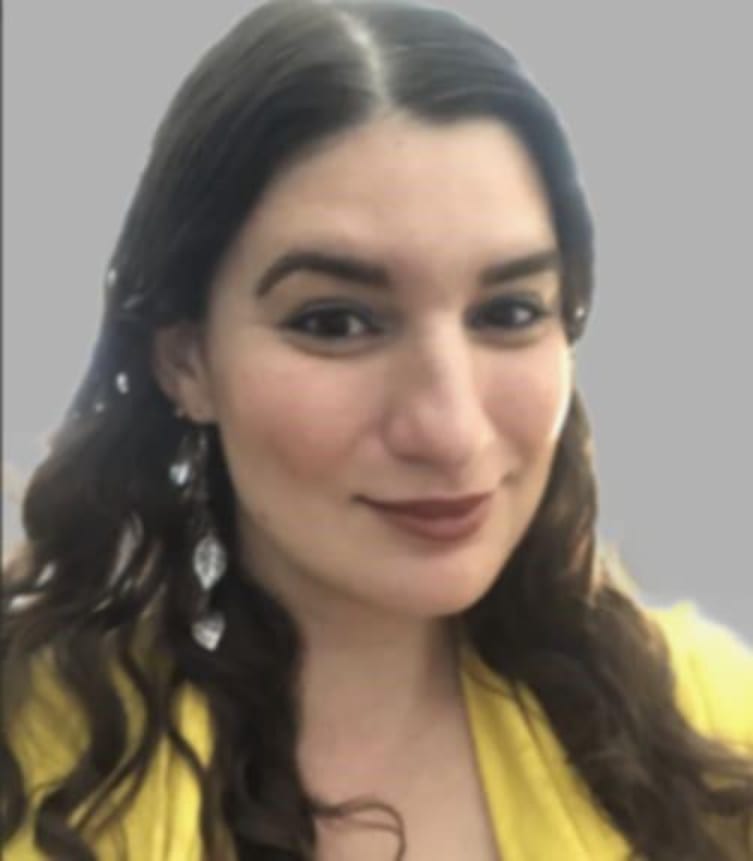
Molly Glass, Leadership Circle (CoSET), Toolkit Co-Author
Molly Glass is a Deaf professional with a strong commitment to ethical, community-centered solutions. For the past three years, she has worked as an ASL Specialist and Deaf Interpreter (DI) at Kara Technologies, contributing to language access innovation through sign language technology. She earned a B.S. in Multi-disciplinary Studies in 2010 and recently obtained a Certificate in Deaf Interpreting (CIDI) from RIT/NTID. In 2025, she joined the leadership team of CoSET and became a member of the SAFE AI Task Force, where she and her colleagues advocate for inclusive, ethical AI design reflecting lived Deaf community experiences.
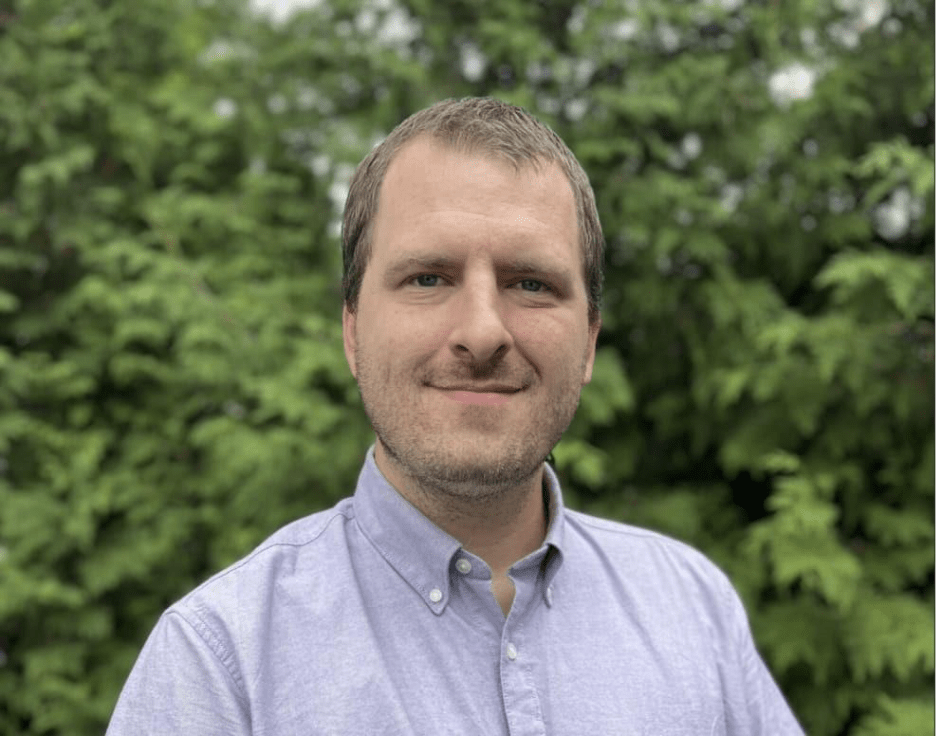
Jeff Shaul, Leadership Circle (CoSET)
Jeff Shaul is a Deaf technologist based in Rochester, New York, working at the intersection of sign language, AI, and human-centered systems design. He is currently a backend engineer at Sign-Speak, where he builds scalable systems for sign language recognition, generation, and accessibility technologies. Previously, he worked at GoSign developing signed-language-first applications, games, and data collection platforms. His work focuses on making emerging technologies accountable to the realities of signed languages through better data practices, repeatable research pipelines, and tooling for rigorous, unbiased evaluation. In parallel, Jeff contributes to CoSET, helping develop frameworks for ethical testing and deployment of sign language technologies. Jeff communicates in ASL and written English and brings a full-stack engineering background across web, mobile, and real-time systems. With an early foundation in bioinformatics and high-performance computing, he approaches problems with a focus on data integrity, system reliability, and real-world usability.
Learning Objectives
- Name and describe at least one example for each of the three key risk areas for AI acting as an interpreter.
- Identify differences between low-risk and high-risk levels for AI interpreting solutions.
- Demonstrate how protecting primary communicators also protects organizations' legal, financial, and reputational standing.
- List at least three of the five checklists and explain what each one evaluates.
- Demonstrate the ability to critically evaluate vendor claims by distinguishing marketing claims from evidence of performance.
Audience: Interpreters of all skill levels, interpreter educators, primary communicators using signed and spoken languages, developers (if curious), and clients (business, government, education, healthcare, and more).
Policies
- Refund/Cancellation Policy: Refunds will be provided for cancellations made up to 3 days after purchase.
- Requests for reasonable accommodations will be addressed for participants.
- CoSET promotes an environment of mutual respect free of discrimination based on gender, sexual orientation, race, religion, hearing status, or any other protected class.
Vancro Integrated Interpreting Services (VIIS) is an approved RID CMP sponsor for Continuing Education Activities. This workshop is offered for 0.2 CEUs in the Professional Studies area at the little-to-no Content Knowledge level. No partial CEUs will be given. Participants will receive a certificate of attendance.
As always, VIIS is committed to offering educational opportunities free from discrimination and bias. For accommodations, contact info@coset.org.